Honestly, most new launches in Karachi blur together after a while. Same renderings, same buzzwords, same “iconic landmark” language. Saima Center Point is one of the few that actually earns some of the hype, mostly because of where it’s sitting: Main M.A. Jinnah Road, a stretch of the city that’s been commercially alive since long before “mixed-use development” was even a phrase people used here. Shops, offices, parking, apartments, all stacked into one address on a road that already has decades of foot traffic built in.
If you’ve been asking around about this project, chances are you’ve heard three things over and over: the location is unbeatable, Saima is a name people already trust, and the payment plan doesn’t require you to empty your bank account in one go. All three are worth digging into properly instead of just taking a broker’s word for it, so that’s what this guide does. No sales pitch, no exaggerated promises, just a straight walkthrough of what this project actually is, what it offers, and where you should still ask questions before signing anything.
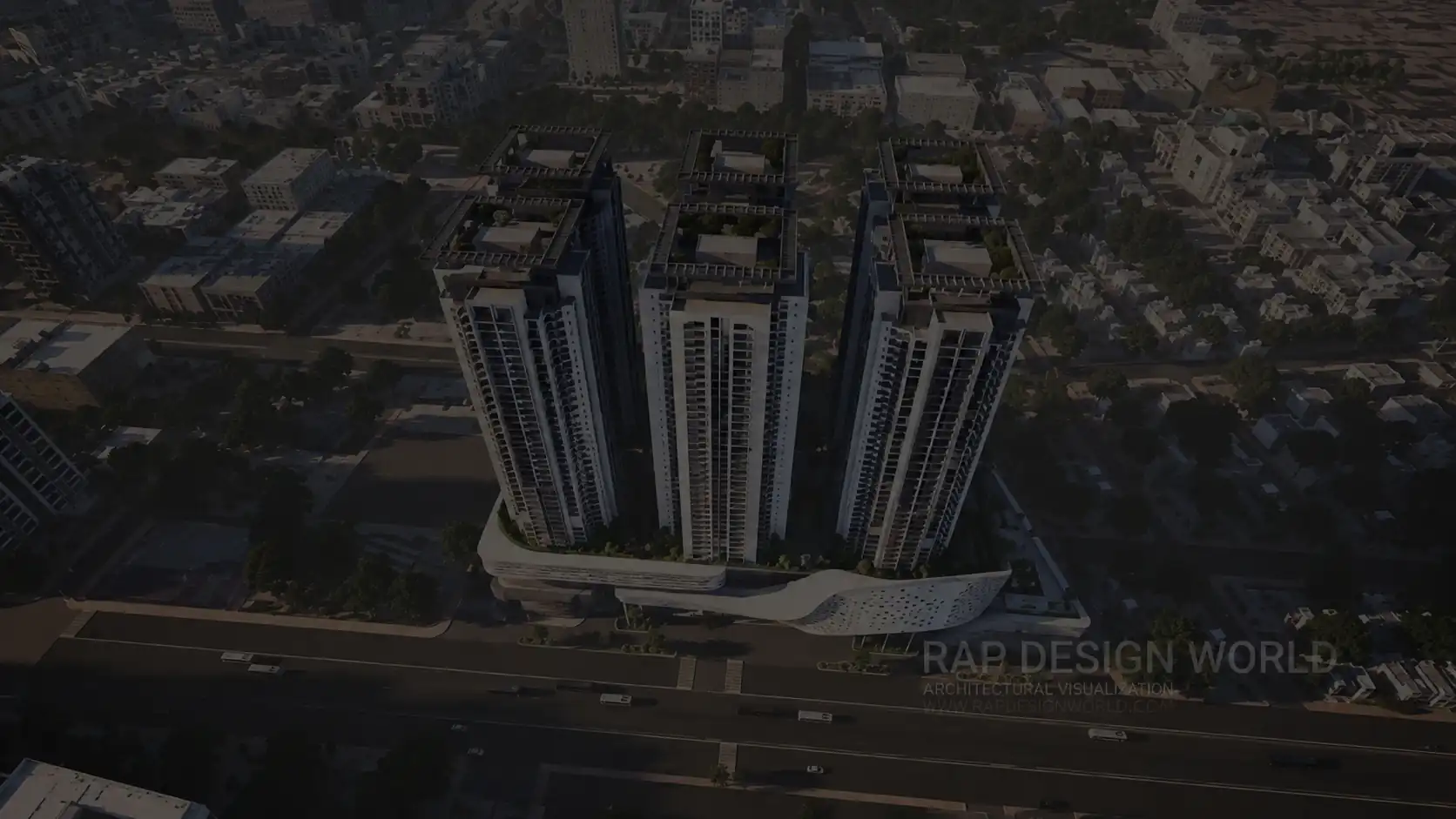
Saima Center Point is a fairly large mixed-use development going up on Main M.A. Jinnah Road, built across six towers. It’s planned as Ground plus 35 floors, which, for this part of Karachi, is genuinely tall. Most buildings around here have been low-rise for decades, so a project of this height does change the skyline a bit.
The ground floor, first floor and second floor are set aside for an air-conditioned commercial mall, retail shops and showrooms. Right above that sits multi-storey parking on floors three to five, which honestly is one of the smarter design choices here, because parking on M.A. Jinnah Road is a nightmare otherwise. The rest of the tower, from the sixth floor upward, is residential apartments in 2, 3 and 4-bedroom layouts. So yes, it really is trying to be a live-work-shop kind of building, not just marketing language.
What makes Saima Centre Point stand out from the smaller plazas dotted around this road is simply scale. This isn’t five shops crammed into a corner building. It’s a full commercial section with showrooms, corporate offices and business suites, backed by elevators, security systems and power backup that a lot of the older buildings nearby simply don’t have.
If you strip away the marketing, the popularity really comes down to three things: the road it’s on, the name behind it, and the fact that payments are spread out instead of due all at once. M.A. Jinnah Road has always pulled commercial attention, so any decently planned modern building here gets noticed fast, by shopkeepers, corporate tenants, and investors who know what footfall is actually worth in rupees. Add a familiar developer name and installments, and you’ve got a project that keeps coming up in conversation.
This one’s built under the Saima name, working here with the ZSZ Group. Saima’s been around Karachi’s real estate scene for a while now, attached to a good number of residential and commercial schemes over the years. That familiarity matters more than people admit, buying from a name you’ve at least heard of feels less risky than betting on a developer nobody’s ever mentioned before.
Beyond this project, Saima’s portfolio includes names like Saima Corporate Center, Saima Boulevard and Saima Shield Tower. Keeping multiple projects running across different parts of the city over time is exactly the kind of track record that gives new buyers a bit more confidence before they commit their savings.
At the end of the day, trust in any developer comes down to a few blunt questions: do they actually finish what they start, is the payment schedule clear, and do updates come without you having to chase someone for them. Saima’s continued presence across Karachi, with several projects running at once, is usually why brokers feel okay recommending their schemes, including this one, to buyers who are new to the game.
Before you book anything in a high-rise, go check the NOC status with the Sindh Building Control Authority yourself. Don’t just take the sales rep’s word for it. For a project this size on a major commercial road, regulatory clearance isn’t a formality, it’s the whole ballgame. Confirm current approval status directly with SBCA or the developer before any money changes hands.
Ask to see the allotment letter, sale agreement, approved building plan and NOC paperwork before you book. A developer with nothing to hide will hand these over without a fuss. Spend the extra hour reviewing them now, it saves you a much bigger headache later.
Since Saima Center Point sits on such a prominent road, verifying land title and construction approvals genuinely adds security to the investment. This step matters just as much as location or price, arguably more, because a great location on shaky paperwork is still a bad deal.
There just aren’t many addresses in Karachi that carry the weight M.A. Jinnah Road does. It’s one of the city’s oldest, busiest commercial arteries, linking Saddar and Numaish to the wider downtown business district. A shop here isn’t just a shop, it’s a business address with footfall guaranteed from day one, before you’ve even opened the shutters.
The payment plan runs on installments instead of one big number. That’s the whole point, really, it’s what makes this workable for salaried people, small business owners and overseas Pakistanis who’d rather build up their investment gradually than drain their savings in one shot.
Commercial units on a busy road like this tend to pull in better rent than similar space tucked away in quieter neighborhoods, simply because retailers are willing to pay more for visibility and walk-in traffic. That’s just how retail economics works.
Central Karachi real estate has a decent track record of appreciating steadily, mostly because there’s barely any fresh commercial land left in these older, already built-up areas. A new modern building in a spot where genuinely new supply is rare is well positioned to ride that trend.
Buying into an under-construction project always carries some uncertainty. Working with a developer who’s already got a presence across multiple neighborhoods takes some of that edge off, not all of it, but some.
Saima Center Point sits on Main M.A. Jinnah Road, right inside one of Karachi’s most central, historically significant commercial belts, close to Saddar and the downtown core.
You get direct access to M.A. Jinnah Road itself, plus solid links to Shahrah e Liaquat, Preedy Street and Akbar Road. From here, most of central Karachi is reachable within minutes, not hours.
A short drive gets you to Garden East, Garden West, Soldier Bazaar and the busy commercial lanes of Saddar. Errands, meetings, quick shopping trips, all of it becomes far less of a production than it would be from somewhere more tucked away.
Want an accurate feel for exactly where this sits relative to nearby roads and landmarks? Just search “Saima Center Point M.A. Jinnah Road” on Google Maps. The live pin will show you everything around it far better than any brochure map ever could.
Because the site is right on M.A. Jinnah Road, you can get there by car, rickshaw, taxi or public transport without wrestling with narrow back streets. In a city where traffic is basically a daily tax, that matters more than it sounds.
Once the Green Line BRT corridor in this area is fully up and running, both residents and commercial tenants here should see even faster, cheaper transit options opening up to the rest of Karachi.
The location puts you within easy reach of quite a few important spots. The project itself sits on M.A. Jinnah Road. Numaish, a major intersection, is right nearby. Saddar, Karachi’s old retail and business heart, is a short hop away. II Chundrigar Road, where the big banks live, isn’t far either. Shahrah e Faisal connects well too, and both Karachi Port and Jinnah International Airport are reachable without an all-day drive. Add in the numerous established markets around Saddar and Numaish, and you start to see why people call this a genuine business hub rather than just another building with a few shops downstairs.
Ground-level shops are built for visibility, the kind of spot that suits clothing brands, electronics outlets, cafes, basically anything that depends on people walking past and walking in.
Upper floors of the commercial section suit corporate offices and professional service providers better, businesses that want a solid address without needing street-level exposure.
Smaller, self-contained business suites work for consultants, startups, small firms, anyone who wants a central office without renting out an entire floor they don’t need.
Larger units make decent showrooms, furniture, appliances, vehicles, anything that benefits from generous floor space and a strong street presence.
The commercial floors are laid out to maximize shop frontage and customer flow, wide walkways and central escalators or elevators connecting each retail level.
Office floors can generally be combined or partitioned depending on what a tenant needs, giving both small and larger businesses room to grow without switching buildings.
Unit sizes across the mall floors vary quite a bit, so you can pick something that fits your business, whether that’s a small boutique corner or a bigger anchor-style unit.
Ground, first and second floors go to the retail mall, keeping the busiest activity closest to street level, where it belongs.
Dedicated multi-storey parking right above the mall solves the single biggest headache in this part of Karachi, where do you actually park. It’s the kind of detail that sounds boring on paper but genuinely changes whether people bother visiting.
A proper reception and lobby gives corporate tenants and their clients a much better first impression than walking straight off a busy street into an office.
Elevators, backup power, centralized security, all part of the plan. The goal here is a working commercial building, not a residential tower with a few shops bolted on as an afterthought.
It starts with a manageable booking amount, followed by a confirmation payment once your unit is formally reserved. Standard stuff for Saima Group projects, and it gives you breathing room to organize the rest of your financing.
After booking, the confirmation payment locks in your allocation. From there, payments start tying into construction milestones, excavation, foundation, slab casting, that sort of thing.
Most of the plan runs on monthly installments stretched over several years. This is really the whole appeal, it makes ownership realistic for salaried buyers instead of only people sitting on spare cash.
There’s usually a quarterly option too, for buyers who’d rather pay in bigger chunks less often, matching their own business or salary cycle instead of a fixed monthly rhythm.
A final payment comes due closer to completion, right before you actually take physical possession of the unit.
One honest note here: exact numbers shift over time. Promotional pricing and installment structures get revised, so treat any figures you see online, including in this article, as a starting point, and confirm the real numbers with the sales office before you commit to anything.
The overall structure runs on a multi-year framework, roughly around four years in most cases, instead of asking for everything upfront. That’s really why this appeals to both first timers and seasoned investors alike, nobody has to dump their entire capital in one go while the building’s still just steel and concrete.
Retail pricing depends a lot on floor level, unit size and frontage. Ground floor units facing the main road cost noticeably more than something tucked away on an upper floor.
Office and business suite pricing tends to sit lower than ground floor retail, which tracks, corporate floors just don’t see the same footfall-driven demand.
Prices in active construction projects move, sometimes more often than people expect. If you want the real, current numbers, request an updated rate sheet from the sales team directly, don’t rely on whatever price list you found floating around online last year.
Exterior renderings show a modern glass and concrete high-rise that genuinely stands out against the older architecture along most of M.A. Jinnah Road.
Interior shots usually focus on the air-conditioned mall corridors, wide walkways and modern shopfronts meant to make the shopping experience feel comfortable, not cramped.
Photos of the commercial floors tend to show open layouts that tenants can customize however suits their own brand.
For anything close to accurate, ask the sales team for recent site photos. Renderings look great, but they won’t tell you where construction actually stands today.
There’s a fairly solid amenity list here, meant to cover both commercial tenants and residents. High-speed passenger and cargo elevators for quick movement between floors. A reception and lobby that actually welcomes visitors properly. Dedicated parking floors built specifically for this project. Security running around the clock with CCTV covering common areas. Power backup, because load shedding in Karachi isn’t going anywhere anytime soon. A prayer area on site. A modern fire safety system. A business lounge for informal client meetings. And central air conditioning keeping the retail floors comfortable no matter the season.
Like any big multi-tower project, this one moves ahead in phases, and pace can vary quite a bit between towers and floors depending on what’s actively under work at a given time.
If you’re seriously considering a booking, just ask the developer for the latest construction update directly. Site progress photos and completed milestones tell you far more than any brochure ever will.
Handover on towers this size usually takes several years from the start of construction. If a specific completion date matters to your decision, get it confirmed by the sales office rather than trusting a date you saw in an ad, timelines on under-construction projects shift more often than anyone likes to admit.
You’ll typically need your CNIC (passport and NICOP if you’re an overseas Pakistani), passport-size photos, next-of-kin details, and a completed booking form from the developer.
Pick a unit, pay the booking amount, sign the form, then follow the installment schedule through to possession. Not complicated, just make sure every step is documented.
Payments usually go through pay order, demand draft or bank transfer, straight to the developer’s official account. Always double-check account details with the sales office directly, and never hand cash to an individual agent, no matter how trustworthy they seem.
On the upside, you get a genuinely prime location on M.A. Jinnah Road with strong footfall, dedicated multi-storey parking that’s rare around here, a developer with an actual delivery history, a payment plan that doesn’t demand everything at once, and a mixed-use design that brings retail, offices, and homes together in one place.
On the downside, completion timelines can slip, that’s just true of under-construction projects generally, not unique to this one. Ground floor retail costs a real premium over the upper floors. Traffic on M.A. Jinnah Road gets heavy during peak hours; there’s no way around that. And you still need to verify the current NOC and approval status yourself before booking, don’t skip that step just because everything else looks good on paper.
Compared to other Saima names, Saima Corporate Center, Saima Boulevard, and Saima Shield Tower, this one stands apart mainly because of its address and the way it blends retail, office and residential space in a single complex. Corporate Center leans more toward office space specifically. Boulevard is pitched more as a lifestyle development. Shield Tower has its own separate commercial identity. If what you actually want is high footfall retail plus corporate office space on one of Karachi’s busiest roads, Saima Center Point is probably the most location-driven pick among the group.
Retailers and service providers chasing visibility and foot traffic will probably like the ground and lower floors best. Companies wanting a professional central address without paying II Chundrigar Road level rates might find the upper commercial floors a decent middle ground. If you just want a shop as a rental-generating asset, the steady tenant demand on a road this busy works in your favor. And for overseas Pakistanis, the installment plan makes it a lot easier to invest in Karachi real estate gradually instead of wiring a huge lump sum all at once.
Going through an experienced, well-connected consultancy makes the whole process smoother, from shortlisting the right unit to actually understanding the current payment plan instead of relying on outdated numbers. A good consultant hands you updated price lists, checks documentation properly, walks you through booking, and flags changes in payment terms before they catch you off guard. If you’re new to Karachi’s commercial market, that guidance is usually what separates an easy purchase from a stressful one.
Related reads: Saima Corporate Center, Saima Boulevard, Saima Shield Tower, Saima Dreams, and Karachi Real Estate Investment.
Disclaimer: Prices, payment plans, NOC status and construction timelines mentioned here are illustrative and can change.
For any further information, please get in touch with The Lead Marketing
Lily Tower Ajman Apartments by Tiger Group is a new residential project in Ajman. It is part of…

Avana Residences Dubai Apartments by DECA Properties is a boutique residential project in Jumeirah Village Circle, District 10,…
Elan Tower Dubai Apartments by Alfulaiti Development is a new 14-story residential project in DubaiLand Residence Complex. Meanwhile,…
Sobha Central Dubai Apartments by Sobha Realty is a large mixed-use development positioned directly on Sheikh Zayed Road,…
DAMAC District Tower B is a newly launched off-plan mixed-use project by DAMAC Properties in DAMAC Hills 1,…